
A Brief Look at the Stonewall Riots
As we kick off another Pride Month, I thought it would be fitting to have a brief look over the event that started the movement, The Stonewall Riots. The year was 1969. Greenwich Village, New York City, bustled with a vibrant counterculture scene. Yet, within this progressive haven, LGBTQ+ people faced constant discrimination and harassment. Police raids on gay bars were routine, fueled by widespread homophobia and laws criminalizing same-sex relationships. Then, on the night of June 28th, an event unlike any other unfolded at the Stonewall Inn, a popular hangout for the LGBTQ+ community. What began as a routine police raid sparked a fiery uprising that would become a pivotal moment in the fight for LGBTQ+ rights – the Stonewall Riots.

A Legacy Rooted in Resistance:
While Stonewall is often seen as the genesis of the gay rights movement, the LGBTQ+ community had a long history of resistance. Groups like the Mattachine Society and the Daughters of Bilitis had been fighting for equality for years,albeit in a more discreet manner. However, Stonewall marked a turning point. The patrons that night, a diverse mix of gay men, lesbians, transgender women, drag queens, and homeless youth, refused to be silenced. When faced with yet another police raid, they fought back. Bottles and bricks rained down on officers as the crowd outside the bar swelled.The uprising continued for nights, igniting a spirit of defiance and a demand for liberation.
Beyond the Barricades: A Movement Takes Shape
The Stonewall Riots were a catalyst for a seismic shift. In the aftermath, a wave of activism swept across the nation.Gay liberation groups sprouted like mushrooms, demanding an end to discrimination and the celebration of LGBTQ+ identities. The iconic rainbow flag, a symbol of LGBTQ+ pride, became a rallying point. Marches and protests became commonplace, demanding equal rights in housing, employment, and legal protections.
A Global Ripple Effect:
Stonewall’s impact transcended national borders. News of the riots spread like wildfire, inspiring LGBTQ+ communities worldwide to fight for their rights. Similar uprisings erupted in cities like London and Paris. Stonewall became a symbol of resistance, a reminder that even the most marginalized can fight back and demand change.
The Legacy Lives On:
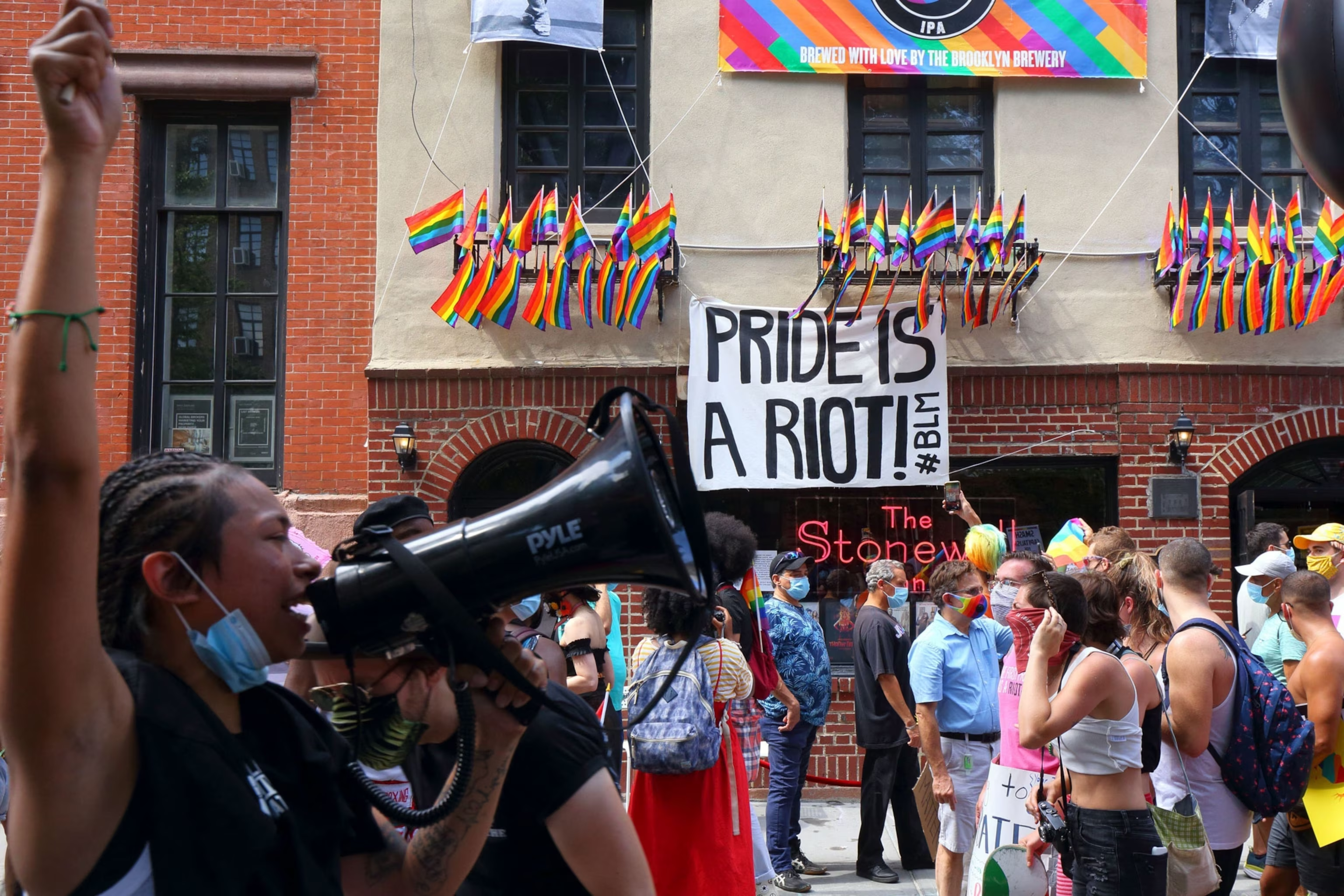
The Stonewall Riots marked a turning point, but the fight for LGBTQ+ rights is far from over. Discrimination, violence,and social stigma continue to plague LGBTQ+ communities globally. Yet, the spirit of Stonewall – the courage to fight back, the demand for equality, and the celebration of diversity – continues to inspire activists and empower LGBTQ+ people around the world. Every year, Pride parades held across the globe commemorate Stonewall, a testament to the enduring legacy of that fateful night.
The Heroes of Stonewall:
While the Stonewall Riots were a collective uprising, some key figures stand out for their bravery:
- Marsha P. Johnson and Sylvia Rivera: These two transgender women of color were at the forefront of the riots and became powerful voices for LGBTQ+ rights, particularly for transgender people and people of color within the community.
- The Drag Queens: Often ostracized even within the LGBTQ+ community, drag queens like Miss Major Griffin-Gracy and Marsha P. Johnson played a crucial role in the Stonewall Riots, throwing punches and rallying the crowd.
- The Mattachine Society and the Daughters of Bilitis: Though advocating for more discreet methods, these earlier groups laid the groundwork for the more radical activism that emerged after Stonewall.

Beyond the Riots: The Lasting Impact
The Stonewall Riots had a ripple effect that continues to be felt today:
- Formation of LGBTQ+ Rights Organizations: Groups like the Gay Liberation Front (GLF) and the Gay Activists Alliance (GAA) emerged to advocate for LGBTQ+ rights through more public demonstrations.
- The Birth of Pride Marches: The first Pride march was held a year after Stonewall in New York City, and Pride celebrations have become a global phenomenon, fostering visibility and community for LGBTQ+ people.
- Shifting Legal Landscape: Stonewall marked a turning point in legal battles for LGBTQ+ rights. In the following decades, sodomy laws were overturned, same-sex marriage became legal nationwide in the US, and protections against discrimination based on sexual orientation and gender identity were implemented.
The Fight Continues:
While significant progress has been made, the fight for LGBTQ+ rights continues:
- Global Discrimination: LGBTQ+ people around the world still face discrimination, violence, and lack of legal protections.
- Transgender Rights: The transgender community continues to fight for equality in healthcare, legal recognition,and societal acceptance.
- Intersectionality: The LGBTQ+ rights movement is increasingly recognizing the need to address issues of race,class, and disability within the community.

Conclusion:
The Stonewall Riots were a spark that ignited a revolution. They stand as a testament to the power of collective action and the fight for equality. Stonewall is not just a moment in history, but a call to action, reminding us that the fight for LGBTQ+ rights is an ongoing journey towards a more just and inclusive world. Stonewall reminds us that change can erupt from the most unexpected places. It is a story of resilience, a testament to the power of collective action, and a beacon of hope for a more just and equitable future for all.

Note: This is not a sponsored post. All opinions and thoughts expressed are solely my own and not influenced in any way. There are no affiliate links and I do not benefit from any link clicks or purchases made.